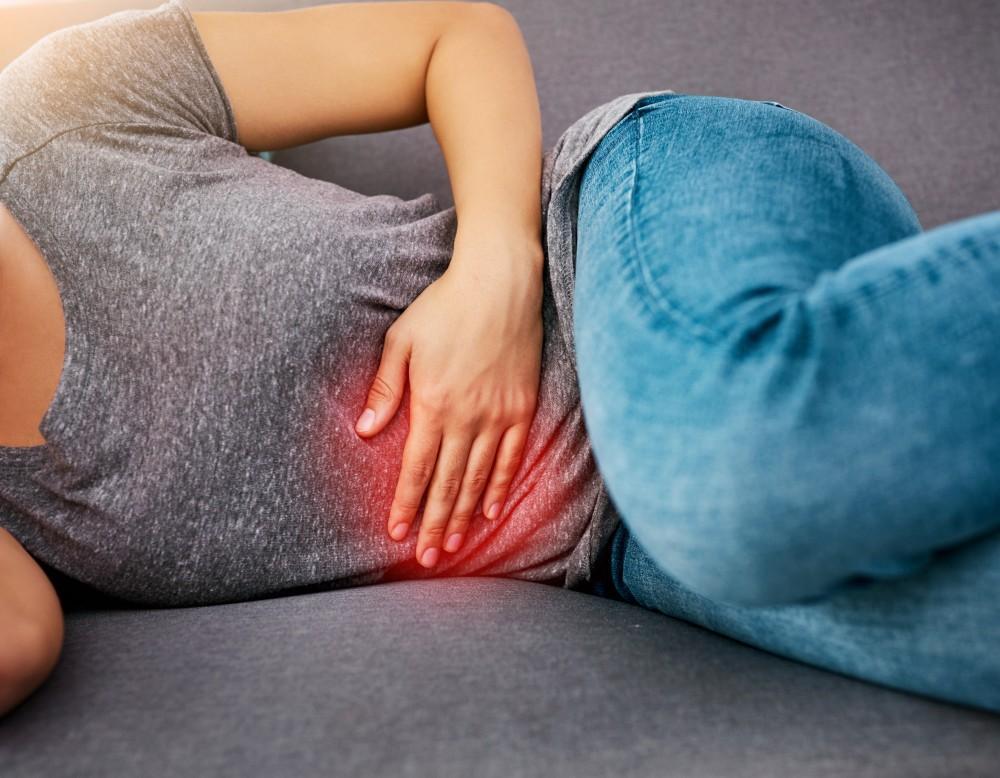
Heavy menstrual bleeding from uterine fibroids can be frustrating, especially when medication or major surgery seems like the only solution. Uterine fibroid embolization offers another approach.
At Fresno Fibroid Center, Dr. Ashkan Behzadi, Dr. Benjamin Pruett, Dr. Sean Tower, and Dr. Brian Ng offer uterine fibroid embolization (UFE), a minimally invasive, hormone-free treatment that can shrink fibroids and significantly reduce heavy menstrual bleeding without removing your uterus.
Read on to learn more about the power of UFE.
Why do fibroids cause such heavy bleeding?
Fibroids are benign tumors that form in the muscle tissue of the uterus or along its outer surface. They’re incredibly common, especially during your reproductive years. In fact, half of all women have at least one by age 50. Thankfully, though, many women never experience symptoms.
That said, when fibroids interfere with the normal function of your uterus, your periods can become heavier, longer, and more difficult to manage.
Here’s why: Fibroids can distort your uterine cavity, increase the surface area of the uterine lining, and interfere with your uterus’s ability to contract effectively during menstruation.
Depending on their size and location, fibroids can cause:
- Periods lasting longer than seven days
- Bleeding that soaks through pads or tampons frequently
- Large menstrual blood clots
- Pelvic pressure or cramping
- Fatigue, weakness, or dizziness related to iron-deficiency anemia
Heavy bleeding isn’t just an inconvenience, although it certainly fits that description too. Losing too much blood month after month can lead to anemia, which can then leave you exhausted, short of breath, or struggling to keep up with everyday activities.
How UFE treats the source of heavy bleeding
Fibroids depend on a blood supply to maintain their size. UFE reduces blood flow to your fibroids, which causes them to shrink.
At Fresno Fibroid Center, your interventional radiologist guides a slender catheter into an artery through a small entry point, usually in your left wrist.
Using real-time imaging for guidance, our specialist moves the catheter into the arteries supplying your uterus and delivers tiny particles that block blood flow to the fibroids.
With less blood reaching the fibroid tissue, the fibroids gradually shrink, and as they shrink, you see an improvement in symptoms such as heavy bleeding, pelvic pressure, and discomfort.
The best part is that UFE avoids hormone therapy, major surgical incisions, and hysterectomy.
3 reasons women choose UFE for heavy bleeding
While there are many treatments for fibroids, you might consider UFE because:
1. You can treat fibroids without hormones
Hormonal treatments, including certain birth control methods, may help control heavy menstrual bleeding. However, they aren’t appropriate or desirable for everyone.
Some women experience side effects, have medical reasons to avoid certain hormones, or simply prefer a nonhormonal approach.
UFE doesn’t rely on changing your hormone levels to control bleeding. Instead, it focuses on the fibroids’ blood supply.
2. You can avoid major surgery
Hysterectomy removes the uterus, preventing fibroids from developing there again. However, this major operation isn’t the right choice for everyone.
Because UFE uses a small arterial puncture rather than a large surgical incision, your recovery is generally much shorter than with hysterectomy.
You can expect some pelvic cramping and discomfort after UFE, particularly during the first few days, but many women return to normal activities within approximately one to two weeks.
3. You may experience relief from more than heavy periods
Heavy menstrual bleeding may be the symptom that brings you in for treatment, but it isn’t always the only problem fibroids cause.
Larger fibroids can press on nearby organs and cause frequent urination, pelvic fullness, bloating, constipation, or lower back discomfort.
As treated fibroids shrink, many women also see improvement in these pressure-related symptoms.
How quickly your bleeding should improve after UFE
UFE doesn’t make fibroids disappear overnight. The procedure immediately reduces their blood supply, but the shrinking happens gradually over the following weeks and months.
Some women notice lighter periods within the first few menstrual cycles, while others experience more gradual improvement.
Take back control of your periods
Heavy periods shouldn’t dictate your schedule, limit your activities, or leave you feeling exhausted every month, and you don’t necessarily have to choose between hormonal medication and major surgery to find relief.
Our team is ready to evaluate your fibroids, discuss your goals, and help determine whether UFE can provide the relief you’re looking for without surgery or hormones.
Ready to learn more about UFE? Schedule a consultation through our “Request an Appointment” button or call 559-216-0746 today.